

Every Sunday for thirty years, I cooked for other people, not my own family. Diners, banquet halls, a steakhouse that burned down twice before I hung up my apron for good. When I retired, I figured Sunday dinner at my own table would be the easy part. It wasn't.
My wife Carol and I have four grandkids who show up most Sundays. For a year I fed them jarred sauce over boxed spaghetti, the same stuff I'd have grabbed on a rushed Tuesday back at the diner. Nobody complained, but nobody asked for seconds either, and thirty years of reading a room full of eaters teaches you the difference.
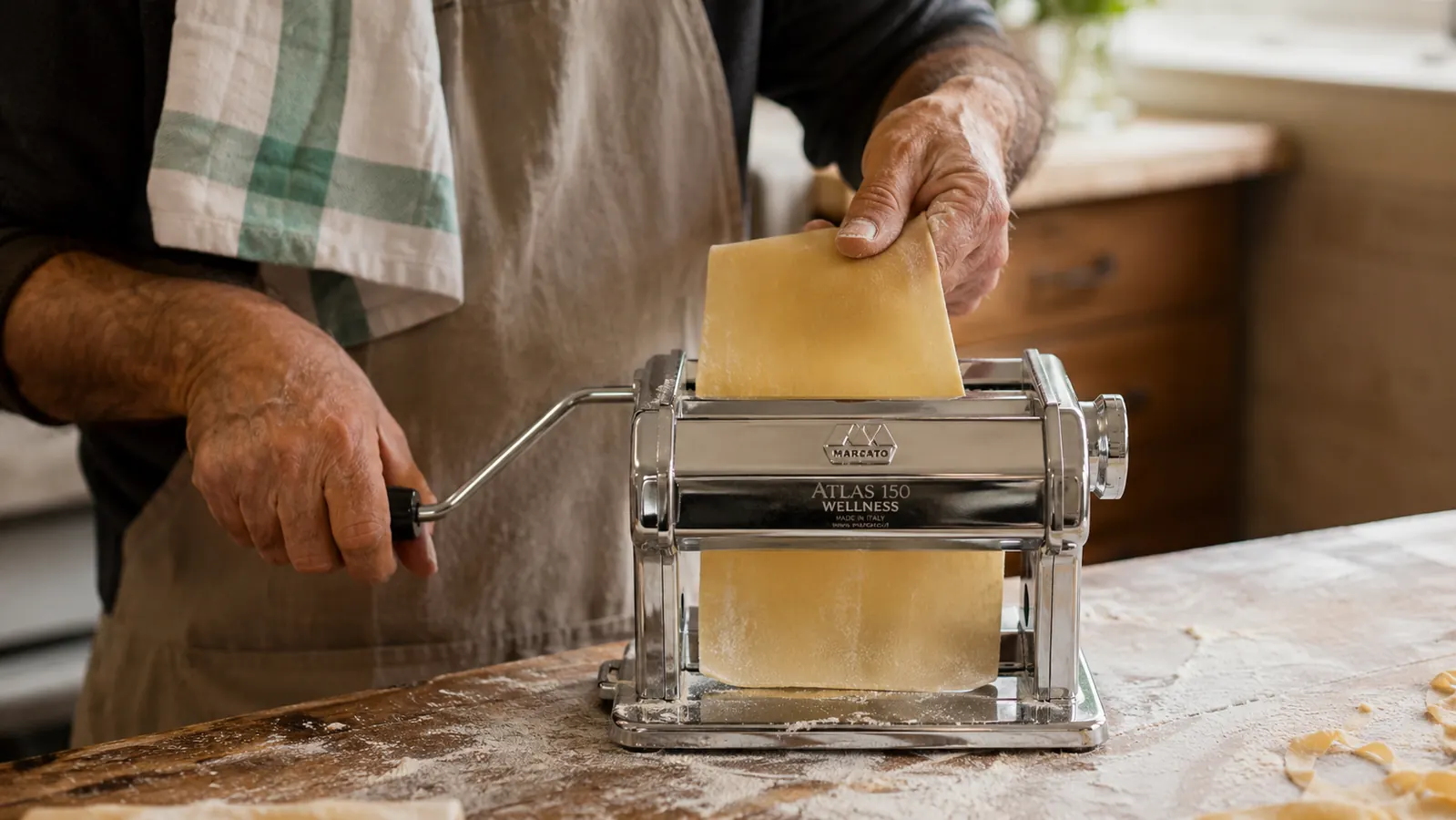
My mother rolled pasta by hand on a wood board in our Toledo kitchen, and as a kid I remember it ate up half her afternoon. I never learned, too busy for forty straight years. Last February I finally looked into a pasta machine, and the name every real cook kept pointing me to was the Marcato Atlas.
The Atlas isn't cheap for what looks like a glorified rolling pin bolted to a crank, and I'll admit I stood in the kitchen for a good ten minutes with the box unopened, telling myself I could just keep buying the good imported dry pasta from the store instead. But I'd already told Carol I was doing this, and a man who spent thirty years telling other people what to cook doesn't get to back out of his own kitchen project. So I opened the box.
It's smaller than I expected once it's out of the packaging. Chrome-plated steel, a clamp that grips the counter edge, a hand crank, and a dial with nine numbers on it for thickness. No cord, no motor, nothing that could burn out on a Tuesday and sit dead for six months waiting on a replacement part. That part appealed to me right away. I've fixed too many restaurant machines in my life to trust one more thing with a plug, and the Atlas is about as close to mechanically foolproof as a kitchen tool gets.
Thirty years in restaurant kitchens taught me one thing: the tool doesn't matter if you don't use it every week. The Marcato Atlas earned its spot on my counter the very first Sunday.
See what turned my Sundays around
This is the same Marcato Atlas I clamp to my counter every week. Check today's price on Amazon before your next Sunday dinner rolls around.
Amazon Check Today's Price on Amazon →First Sunday, I made a basic egg dough, nothing fancy, and ran it through the Atlas rollers eight or nine times, folding the sheet in on itself the way the little instruction card showed. My hands remembered the motion from watching my mother, even though I'd never actually done it myself. Forty minutes start to finish, cleanup included, and that counts a couple of false starts where I cranked too fast and tore the sheet.
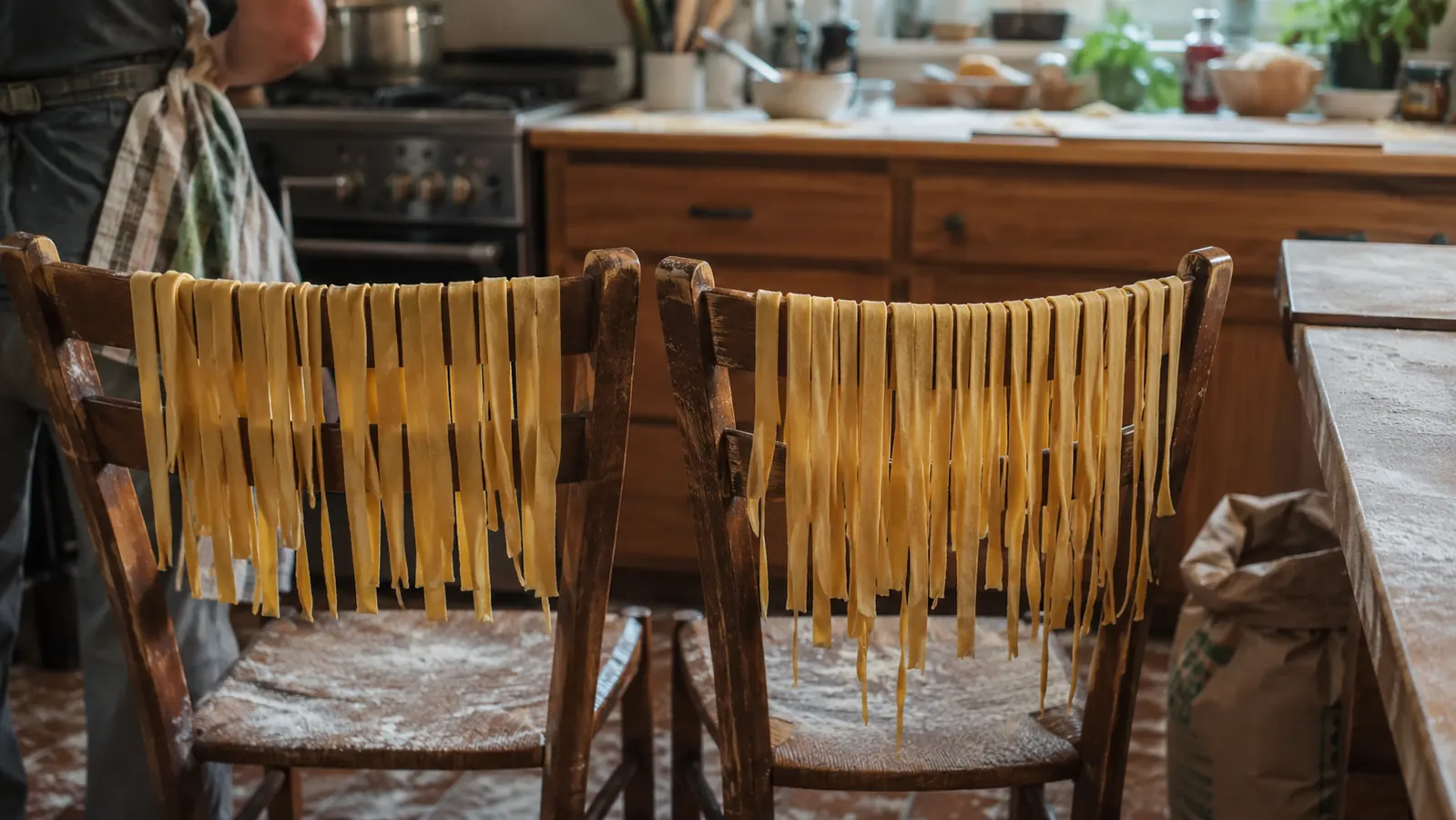
Carol walked into the kitchen while I had the fettuccine cutter attached to the Atlas, and sheets of pasta hanging over the backs of two chairs like laundry drying on a line. She didn't say much. She just stood there watching the ribbons come off the rollers, then she went and got the good sauce pot down instead of the everyday one. In thirty-one years of marriage, that pot has meant something in our house.

That first batch wasn't perfect. Some noodles came out thicker than others because I hadn't cranked the dial evenly on both ends, and I oversalted the water out of old diner habit where you're cooking for forty plates at once instead of six. But the grandkids ate two helpings each, and my granddaughter Emma asked if she could turn the crank next time. That's when I knew the Marcato Atlas wasn't going back in its box.
Eight months later, that machine comes out most Sundays. Same spot on the counter, same drawer for the attachments. I've made fettuccine, tagliatelle, and a passable attempt at lasagna sheets. The rollers on the Atlas are still steel, still smooth, no rust and no wobble in the crank. I brush the flour off, never water, because that's the one rule Marcato is strict about in the instructions, and the one rule I've actually followed since day one. It costs us maybe a dollar a serving in flour and eggs, which beats what I'd pay for the good imported dry stuff by a wide margin.
What I'd Tell You If We Were Sitting at My Kitchen Table
If you asked me straight, sitting across my kitchen table with a cup of coffee, I'd tell you the Marcato Atlas isn't going to fix a bad recipe and it isn't going to make Sunday dinner effortless. It's still work, cranking that handle, wiping flour off the counter after, kneading dough with your own two hands before the machine ever touches it. But it's honest work, the kind that gets people to put their phones down and actually watch you do it. If you've got family that shows up on Sundays and you're tired of the same boxed spaghetti, I'd say buy the Atlas and clamp it to your counter, because it'll still be doing its job long after the novelty of anything electric wears off. If you're cooking for one and don't much care either way, save your drawer space for something else. That's the whole truth of it, no dressing it up.
The pasta machine that got my grandkids off their phones
Eight months in, the Marcato Atlas is still the first thing I reach for on Sunday. Check today's price on Amazon and see if it earns a spot in your kitchen too.
Amazon Check Today's Price on Amazon →